
ObesityUpdate 2026: Tailoring Diets to Metabolic Needs
- 2 days ago
- 2 min read

Top 10 Metabolic Health Toolbox
1. Body Composition
Obesity Canada - Assessment of People Living with Obesity
2. Plate Method and Portions
Diabetes Canada - Handy Portion Guide
3. Eating Schedule
HealthyU - Normalized Eating Schedule
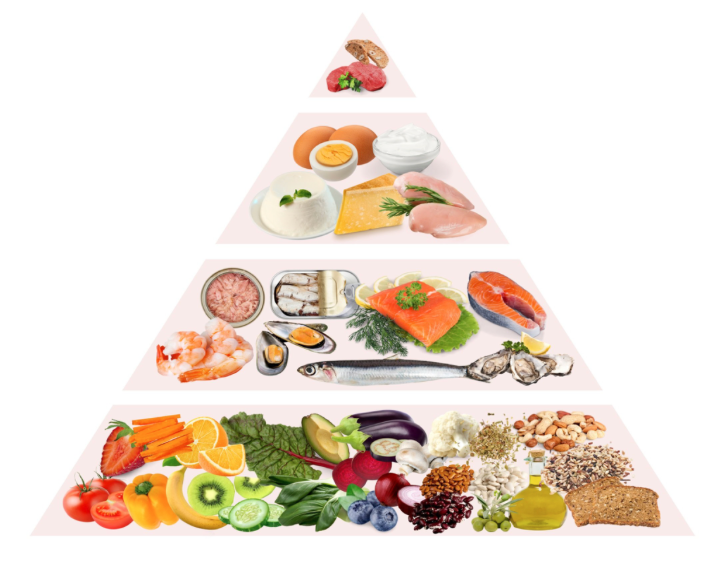
4. Mediterranean Diet
Dietitians of Canada - Mediterranean Diet
5. Glycemic Index
Diabetes Canada - Glycemic Index Foods
University of Sydney - Glycemic Index Database
Diabetes Canada - Managing your Blood Sugar
Diabetes Canada - Just the Basics
6. FiberMaxing
Diabetes Canada - Get the Facts on Fibre
7. Portfolio Diet
Canadian Cardiovascular Society - Framingham Risk Score: printable and online calculator
Diabetes Canada - Cholesterol and Diabetes
8. Saturated Fat and Lipid Profile
HealthyU - Saturated Fat Recommendations
American Heart Association - Saturated Fats
9. Protein Prioritization
Protein Power Tool (recommendations and high-protein breakfasts, lunches, dinners, and snacks)
10. Mindfulness
HealthyU - Mindful Eating
Tracking apps: Lose It!, MyFitnessPal, Cronometer
Supplements
Condition(s) | Indication/Justification | Dose | Food Sources | |
Vitamin D | IR/T2DM, MASLD (adjunct) | Common deficiency in obesity; low status associated with insulin resistance, inflammation, and MASLD severity. Not primary treatment but supports overall metabolic health. | 1,000–2,000 IU/day (adjust to serum 25(OH)D ≥75 nmol/L) | Fatty fish (salmon, mackerel), fortified dairy/plant milks, egg yolks |
Omega-3 | Dyslipidemia (↑TG), MASLD (adjunct) | Lowers triglycerides via reduced hepatic VLDL production (limited to moderate evidence); may modestly reduce liver fat but not fibrosis. | 2–4 g/day EPA+DHA for TG lowering | Fatty fish (salmon, sardines, trout); plant sources (chia, flax) provide ALA (limited conversion) |
Vitamin E | MASLD (selected patients, MASH without diabetes) | May improve steatohepatitis in biopsy-proven MASH (non-diabetic populations). Not routine use; consider risk/benefit. | 800 IU/day (specific populations only) | Almonds, sunflower seeds, hazelnuts, plant oils |
Coffee | MASLD | Observational evidence: associated with lower fibrosis progression and liver disease severity; may reduce hepatic inflammation. | ~2–3 cups/day | Coffee (both regular & decaf) |
Psyllium Fibre | Dyslipidemia, IR/T2DM | Lowers LDL-C and improves glycemic response via delayed gastric emptying and reduced cholesterol absorption. | ≥7 g/day (minimum), ~10 g/day optimal (divided doses) | Oats, barley, legumes (lower dose equivalents) |
Plant Sterols | Dyslipidemia (↑LDL-C) | Reduces intestinal cholesterol absorption; lowers LDL-C ~8–10%. | 2 g/day (up to 3 g/day) | Fortified foods (margarine, yogurt drinks), naturally in nuts/seeds (small amounts) |
Inositol/ Berberine | IR, Prediabetes (adjunct) | May improve insulin sensitivity and glucose markers; not first-line treatment (weak evidence). | Inositol: ~2 g BID | Berberine: ~500 mg BID–TID | Not meaningful from food (supplement form only) |
General Nutrition Resources
Recipes
Canada’s Food Guide
Canada’s Food Guide - Healthy Eating Recommendations
Portions
Diabetes Canada - Handy Portion Guide
Obesity Management
Obesity Canada - Medical Nutrition Therapy in Obesity Management
Obesity Canada - Behaviour Change in Obesity Management
Harvard Health - Managing Cravings
Harvard Health - Mindful Eating
American Heart Association - Mindful Eating
Organizations
Meant2Prevent (applicable to all ages, including family-based resources)
PEN Membership (Fee for subscription) → Provides access to hundreds of educational nutrition handouts


Comments